Today: 9:00AM - 9:00PM
Blog / DARCARS Lanham Kia Service

Driving in Rain: 10 Tips for Safely Navigating Wet Weather in Lanham, MD

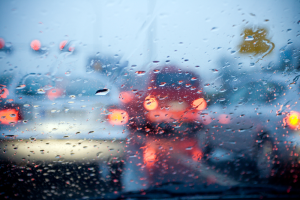
Driving in the Rain Lanham MD
Driving in rain can be extremely nerve-wracking and dangerous, especially when it's pouring down and your visibility is impaired. How can you navigate securely during rain? The following tips will help you to drive safely in wet conditions.

1. Defog Your Windows

Turn on your heater or defroster and defog your windows before you drive off to ensure that you can see where you are going. There are also products available on the market that will prevent fog from forming on your windows.

2. Test Your Windshield Wipers

Before you take to the road, check that your wipers are in good working order. Test all the settings to ensure that your wipers will give you the visibility you need to see where you are going.

3. Check Your Tire Pressure

If your vehicle's tires are in good condition and inflated to the correct pressure, you will have more traction. This will lower the risk of your vehicle sliding and skidding in wet conditions.

4. Put Your Lights On

Often, rain can impair visibility on the road, especially during heavier storms. The headlights on your car will increase your visibility and make it easier for other drivers to see you.

5. Drive Slowly

The water can make driving conditions very slippery. When you drive fast on wet roads, your car can easily slide over the wet, oily road surface, and you can lose control of your vehicle. If your car hydroplanes, stay calm, immediately take your foot off the gas, and don't steer until your car makes contact with the road again.

6. Keep a Safe Following Distance

You want to be able to have time to spot if need be. Keep plenty of space between your vehicle and the one in front of you to assist. This will give you more time to react.

7. Don't Brake Hard

If there is enough space between you and the car in front of you, you will have enough time to remove your foot from the accelerator to slow down without hitting the brakes hard. Hard braking can cause your car to slide on the wet road and cause a collision.

8. Avoid Outside Lanes

There are more water and big puddles in the outside lanes. Drive in the middle lane where possible to avoid running or standing water.

9. Keep Proper Space from Large Vehicles

If there is a truck or a bus in front of you, keep generous space in between you and the other vehicle. The large tires can cause more water to hit your windshield and make it difficult for you to see.

10. If You Can't See Pull Over

If it's raining hard and you find it difficult to see, find a safe spot to pull over and wait for the weather to improve. Trying to drive in extreme conditions is extremely dangerous and should be avoided where possible.

Be Prepared for Wet Weather and Remember Routine Maintenance

If you can, and we know it's not always possible, try to avoid driving in wet, rainy conditions. If possible, be patient and wait until the rains stop before driving. It’s also important to keep your car maintained to ensure parts, like the brakes, tires, and more, can work optimally in inclement weather. Schedule service with DARCARS Lanham Kia, and the certified technicians can perform a complete inspection to ensure that your vehicle performs at its best in wet weather conditions.

Posted in:

Related Posts

Engineer hands fixing engine power transmission gears box | Lanham, MD

Kia Transmission Care: Ensuring Smooth and Efficient Performance

You probably don't spend a lot of time thinking about your Kia's transmission, but it's one of the most critical parts of the engine, and keeping it in good working order is essential. A sound transmission directs power to your wheels, making it easy for the vehicle to change gears and operate efficiently and smoothly. Here's what you need to know about transmission service at your local Kia dealer in Lanham. Transmission Service at Your Kia Dealer How To Tell When Your Transmission Needs Service Sometimes, you can tell that your transmission is failing because of how the vehicle handles it. If it's difficult to change gears or your car frequently slips out of gear, you may have a transmission that needs attention. Grinding noises and strong vibrations as you shift gears are also signs that you may have transmission problems. more Other symptoms of trouble include a burning odor, weak acceleration, and leaking transmission fluid. Placing a fresh piece of cardboard beneath your Kia while it's parked is a great way of getting a close look at the type of fluid that's puddling beneath the car. If the leaking fluid is red or brown, it's likely transmission fluid. Understanding the Various Types of Service Several different types of service can be performed to support your Kia's transmission. Each transmission has a filter that removes dirt and debris, and periodically replacing that filter is a proactive way of helping to keep your vehicle in good shape. Transmission fluid helps keep the gears lubricated and functioning smoothly, and that fluid occasionally needs to be topped off and replaced. Replacing your transmission fluid every 30,000 miles is a good rule of thumb. We may recommend a transmission flush, which involves draining and replacing the fluid in cooler lines and other transmission parts. This more extensive service thoroughly cleans and flushes the transmission system. While transmissions can often be repaired, in some cases a complete transmission replacement is the best way to go. Why You Should Schedule Service with Our Service Department The transmission is a crucial part of your engine, so only well-trained technicians should work on it. When you bring a Kia into our service department, the vehicle will be in the capable hands of one of our factory-trained technicians, who will diagnose the problem and perform the appropriate repair. Genuine Kia parts will always be used, and our service department offers convenient online scheduling and dealer coupons on many common maintenance services. The professionals in our service department make it easy to maintain your vehicle's transmission. When you're ready to schedule your next service appointment, call us at DARCARS Kia of Lanham.

African-American mechanic in car service center | Lanham, MD

How to Keep Your Kia Running Smoothly with Regular Fluid Checks

While your Kia dealership will, no doubt, advise you to carry out a regular fluid check on your vehicle, a surprising number of drivers are uncertain of which fluids to check and what they should be looking for when they carry out this maintenance task. So, let's take a closer look at what's under your Kia's hood and what you need to be inspecting. What Kind of Fluid Check Should I Carry Out? There are several vital fluids in your vehicle's engine that you should inspect regularly. Your owner's manual will advise you as to how frequently those checks should be done and what the appropriate levels should be. Engine Oil Engine oil is one of the most important fluids for your vehicle's proper function since it helps keep the engine's components lubricated and running smoothly. You need to check the level of your oil to make sure there's enough to help provide optimal lubrication. It’s also important to check whether it's clean since dirty oil will eventually cause damage. more Engine Coolant Friction in your engine results in high temperatures. Without sufficient coolant to keep your engine at the right temperature, it could overheat, damaging the engine and potentially even causing a fire. Engine coolant must be checked at a minimum after completing 50,000 miles. Transmission Fluid This fluid will lubricate your vehicle's transmission's moving parts, helping guard against premature wear and excess friction. Depending on your Kia model and age, you may not be able to check this fluid yourself and may have to visit a mechanic to get the level inspected. Brake Fluid Hydraulic pressure is used by your Kia's braking system to apply its brakes, and brake fluid has a vital part to play in this process. If your vehicle's brake fluid is leaking, or contaminated, your braking performance may be negatively affected, which can put you in danger. Power Steering Fluid Depending on the age of your vehicle, it may use a power steering fluid to help keep its power steering operational. Heavy steering, which makes turning difficult, suggests this fluid is leaking or at a low level and needs checking. Can I Visit My Kia Dealership to Check My Fluids? The trained mechanics at your Kia dealer will be able to check your vehicle's fluid levels for you and top them up if necessary, helping ensure you stay safe on the roads. Your fluids will be checked as part of your vehicle's annual service as standard. If you need to book your Kia for service or need help checking your fluid levels, call DARCARS Kia of Lanham in Maryland today.

Transmission | Lanham, MD

Four Signs Your Kia May Need Transmission Repair

The transmission is one of the most crucial components of your vehicle. This part of your car helps you control how much power passes through the engine, directly determining how fast your vehicle moves. When this part of your car isn't functioning optimally, you may notice that controlling your speed becomes more challenging. But when should you take your car for service at your Kia dealer? Signs Your Kia Transmission Needs Repairs 1.    Strange Noises and Scents The first signs that you may be having car trouble usually come from obvious sources, such as hearing strange noises from the engine or smelling a burning scent. Unusual noises and smells typically indicate that the condition of your vehicle is serious and that you should seek repairs as soon as possible. more Strange noises can include grinding when gears shift, persistent buzzing, or even a whine beneath the hood. A burning smell usually indicates that your gearbox is getting overheated or that the fluid in your car is burning. A worn-out clutch, low fluids, or other malfunctioning components can be the culprit behind the burning scent. 2.    Visible Fluid Leaks In general, all the fluid in your engine should stay in your engine. Any time you notice unusually large puddles of fluid, such as dark oil or red liquids common to gearbox lubricants, you have a leak somewhere. A leak in the gearbox can spell trouble since insufficient fluid or lubricants can make it hard to shift gears and cause issues such as gearbox failure. Sometimes, leaking fluid from the gearbox can be caused by an old gasket or worn-out seals. The gaskets and seals of your gearbox are designed to keep fluid within the gears, so if these elements of your engine don't fit properly, your engine will swiftly lose important fluids. 3.    Delayed Gear Response Some drivers may detect a noticeable change in how readily their vehicle shifts gears. Whether you drive a manual or an automatic, you should expect your vehicle to respond immediately to different gear selections. If the response when you shift gears is delayed, then you probably have an issue. These issues can include low fluid levels, worn-out gears, or damaged clutch bands. The severity of the delay may only be a few seconds. 4.    Gear Slips Finally, if you notice that your gears are shifting out of place, then you need service immediately. Signs of gear slips include difficulty accelerating, higher engine revs without increasing speed, and poor gearbox control. Gear slips are a serious issue, so you should get service quickly to stay safe on the road. If you notice any problems with your gearbox, such as poor responsiveness or screeching noises, it's time to take your car to a certified repair garage. Get in touch with DARCARS Kia of Lanham to schedule service today.